How to Cut Body Fat Without Losing Muscle: A Science - Based Guide to Training, Nutrition & Thermogenic Supplements
By Vyotech Nutritionals | Fitness, Bodybuilding & Sports Nutrition
Building muscle takes dedication. Keeping that muscle while reducing body fat requires an entirely different strategy.
If you've ever started a cutting phase only to feel weaker, flatter, or exhausted in the gym, you're not alone. One of the biggest challenges in bodybuilding and fitness is creating a leaner appearance without sacrificing the muscle you've worked hard to develop.
The solution isn't simply eating less, doing endless cardio, or searching for the strongest fat burner.
A successful cutting phase comes down to five fundamentals: a manageable calorie deficit, sufficient protein, resistance training, recovery, and an informed approach to supplementation.
Here's how to put those pieces together.
What Is a Cutting Phase in Bodybuilding?
A cutting phase is a period of training and nutrition designed to reduce body fat while preserving as much lean muscle mass as possible.
Unlike general weight loss, which focuses primarily on lowering the number on the scale, bodybuilding cutting focuses on body composition - the proportion of fat and lean tissue in your body.
This distinction matters because losing weight and losing fat are not always the same thing.
A rapid drop in body weight can reflect changes in water, stored carbohydrate, digestive contents, or muscle tissue, rather than body fat alone.
For athletes and fitness enthusiasts, the goal is to achieve a leaner physique while maintaining strength, performance, and muscle definition.
1. Create a Calorie Deficit Without Sacrificing Performance
Fat loss generally requires consuming fewer calories than your body expends over time. However, an aggressive calorie deficit can make training and recovery more difficult.
A moderate deficit is usually a more sustainable starting point.
For many healthy adults, reducing daily calorie intake by approximately 300 - 500 calories may be a reasonable initial approach, although individual needs vary.
Rather than making dramatic dietary changes overnight:
-
Estimate your current calorie intake.
-
Make a moderate reduction.
-
Monitor body - weight trends over several weeks.
-
Track gym performance and recovery.
-
Adjust gradually based on progress.
The objective is not to lose weight as quickly as possible. It's to improve body composition while preserving the muscle you've built.
2. Prioritize Protein to Preserve Lean Muscle
Protein becomes especially important during a cutting phase.
When calorie intake decreases, sufficient dietary protein combined with resistance training helps support muscle maintenance.
For many resistance trained adults, a daily protein intake around 1.6 - 2.2 grams per kilogram of body weight is a useful evidence - informed range, with individual requirements varying.
For example, someone weighing 180 pounds (approximately 82 kilograms) might aim for roughly 130 - 180 grams of protein daily.
Practical protein sources include:
-
Chicken, turkey, fish, and lean beef
-
Eggs and Greek yogurt
-
Cottage cheese and other dairy foods
-
Tofu, tempeh, and legumes
-
Whey protein or other protein supplements when convenient
Distributing protein across several meals can make daily intake easier to achieve.
Vyotech tip: Think of protein as part of your muscle preservation strategy, not just something you consume after a workout.
3. Keep Lifting Weights During Your Cut
One of the most common cutting mistakes is replacing strength training with excessive cardio.
Cardiovascular exercise can support energy expenditure and overall fitness, but resistance training provides an important stimulus for maintaining muscle.
During a cutting phase:
Maintain training intensity where practical. Continue challenging your muscles with appropriate resistance.
Monitor your recovery. Reduced calorie intake may affect your ability to recover from high training volumes.
Prioritize quality over exhaustion. More sets and longer workouts aren't automatically better.
Track your performance. Strength changes, fatigue, and recovery can help you determine whether your program needs adjustment.
You may not set personal records every week while cutting, but maintaining as much strength as possible is a useful goal.
4. Understand the Difference Between Fat Loss and Water Weight
This is one of the most misunderstood subjects in physique training.
Body fat and body water are completely different components of body weight.
Body fat is stored energy. Reducing it requires sustained changes in energy balance.
Body water fluctuates naturally in response to factors such as:
-
Sodium intake
-
Carbohydrate consumption and glycogen storage
-
Exercise and perspiration
-
Hormonal changes
-
Hydration status
For example, stored glycogen is associated with water. When carbohydrate intake changes, glycogen and water levels may change as well, sometimes producing a noticeable shift on the scale.
That does not necessarily mean you've gained or lost a comparable amount of body fat.
Does Losing Water Weight Improve Muscle Definition?
Changes in body water can temporarily affect appearance, but intentional dehydration is not a safe or reliable fat loss strategy.
Excessive fluid loss can impair exercise performance, disrupt electrolyte balance, and create serious health risks.
For sustainable muscle definition, focus on reducing body fat while maintaining normal hydration.
Remember: Water - weight changes are temporary. Body-fat reduction is a different physiological process.
5. What Are Thermogenic Fat Burner Supplements?
Thermogenesis is the process by which the body produces heat.
Some dietary supplement ingredients, including caffeine and certain botanical compounds, have been investigated for their effects on thermogenesis, alertness, and energy expenditure.
Products marketed as thermogenic fat burners often contain combinations of stimulant ingredients and plant extracts.
However, it's important to understand what the research does - and does not - establish.
An ingredient may temporarily influence a physiological process without producing a meaningful change in body fat.
Evidence for many commercial fat burning supplement combinations remains limited.
Common Ingredients Found in Thermogenic Supplements
Caffeine
Caffeine is a central nervous system stimulant that can temporarily increase alertness and reduce perceived fatigue in some exercise settings. It may also produce a modest short term increase in energy expenditure, but this does not guarantee fat loss.
Green Tea Extract
Green tea contains catechins, including EGCG, that have been studied for antioxidant activity and metabolic effects. Findings on meaningful weight-loss benefits are mixed, and concentrated extracts have important safety considerations.
Green Coffee Extract
Green coffee contains chlorogenic acids and may contain caffeine. Researchers have investigated these compounds in metabolic studies, but evidence for substantial long term fat loss is not established.
Cayenne Pepper
Cayenne contains capsaicinoids, compounds studied for their possible effects on thermogenesis and appetite. Any observed effects are generally modest and should not be confused with guaranteed weight loss.
Citrus Aurantium
Also called bitter orange, Citrus aurantium is used in some thermogenic formulations. Its constituent profile varies by extract, and stimulant - related safety considerations are important, particularly when combined with caffeine.
Are Thermogenic Supplements Necessary for Cutting?
No.
A calorie deficit, adequate protein, resistance training, and recovery remain the foundation of a successful cutting phase.
Supplements are optional tools, and their suitability depends on the specific formulation, individual health circumstances, and available safety information.
6. Why Ingredient Transparency Matters
Not all cutting supplements are formulated the same way.
Some emphasize caffeine and other stimulants. Others combine thermogenic-focused ingredients with botanical extracts traditionally used in herbal preparations.
When evaluating a supplement, look beyond the marketing claims.
Ask these questions:
-
What ingredients does the product contain?
-
How much caffeine is present per serving?
-
Are individual ingredient quantities disclosed?
-
Does the formula contain multiple stimulants?
-
Are warnings, directions, and possible interactions clearly explained?
-
Are product-specific benefits supported by reliable evidence?
A proprietary blend may disclose its total weight without identifying the amount of every individual ingredient.
This makes it harder to independently evaluate ingredient-specific dosing.
An informed supplement decision begins with understanding the label - not chasing dramatic promises.
7. A Closer Look at VyoTech AB-SOLUTION CUTS®
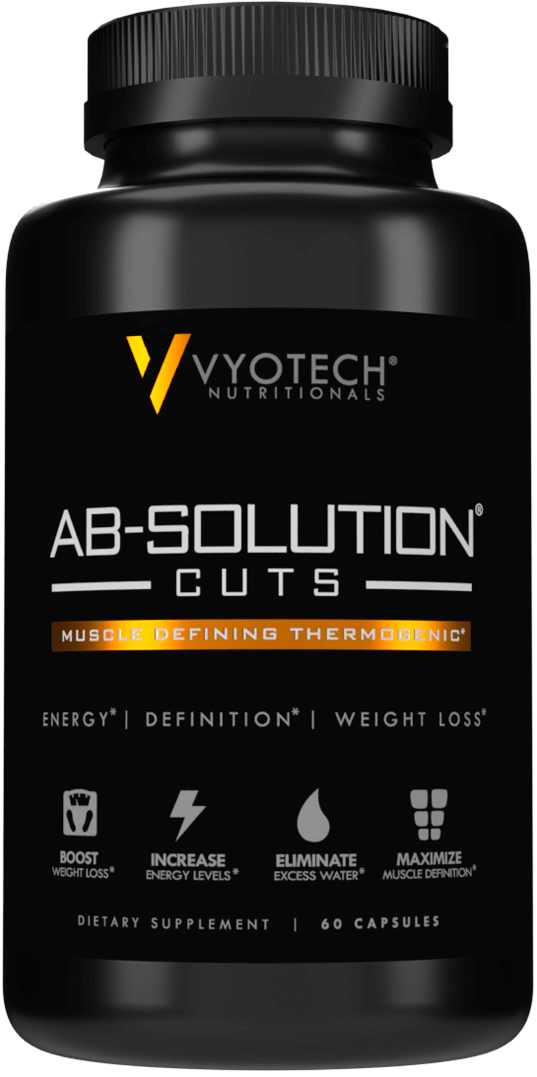
For fitness enthusiasts exploring thermogenic supplements, VyoTech AB-SOLUTION CUTS® is a cutting-focused dietary supplement featuring two distinct proprietary blends.
Metabolic Energy Intensifier Complex - 720 mg
This blend combines caffeine anhydrous with botanicals including green tea extract, green coffee extract, yerba mate, Citrus aurantium extract, and cayenne fruit powder.
The formulation brings together ingredients commonly discussed in sports nutrition and thermogenic supplement research.
Water Balance Definition Blend - 600 mg
This separate blend includes uva ursi, dandelion root, horsetail, juniper berry, and celery seed.
These botanicals have histories of traditional herbal use, including in fluid-balance preparations. Their inclusion does not establish that the finished supplement reduces water retention or improves muscle definition.
Important formulation note: AB-SOLUTION CUTS contains caffeine, but the total caffeine quantity per serving has not yet been confirmed for publication. Individual amounts within the proprietary blends are not disclosed.
Because the product also contains other active botanicals, including Citrus aurantium and uva ursi, it is not appropriate for everyone. Review the full label and consult a qualified healthcare professional before use.
AB-SOLUTION CUTS should not be used as a substitute for proper nutrition, exercise, hydration, or medical care.
Explore the formula: VyoTech AB-SOLUTION CUTS Thermogenic Supplement
8. Five Mistakes That Can Sabotage Your Cutting Phase
Mistake 1: Cutting Calories Too Aggressively
Extreme calorie restriction can leave you fatigued and make it harder to maintain training performance.
Better approach: Use a manageable calorie deficit and adjust based on progress.
Mistake 2: Not Eating Enough Protein
Insufficient protein can make it harder to preserve lean mass during calorie restriction.
Better approach: Set a realistic daily protein target and build meals around it.
Mistake 3: Replacing Strength Training With Endless Cardio
Cardio can be valuable, but it doesn't replace the muscle-maintenance stimulus provided by resistance training.
Better approach: Keep lifting and use cardio strategically.
Mistake 4: Confusing Dehydration With Fat Loss
A sudden reduction in scale weight isn't always body-fat loss.
Better approach: Maintain hydration and evaluate progress over time.
Mistake 5: Expecting Supplements to Do the Work
No supplement can replace consistent nutrition, exercise, sleep, and recovery.
Better approach: Build the routine first, then evaluate whether any supplement is appropriate for your needs.
Frequently Asked Questions About Cutting and Fat Burners
How long does it take to see muscle definition?
It depends on starting body composition, genetics, training history, calorie intake, and consistency. Meaningful changes generally develop over weeks to months rather than days.
Can you lose fat and maintain muscle at the same time?
Yes, many people can reduce body fat while preserving much of their existing muscle by combining appropriate calorie intake, sufficient protein, and resistance training. Results vary.
Do fat burners specifically target belly fat?
No. There is no reliable evidence that an oral fat-burning supplement selectively removes fat from the abdomen.
Is sweating more the same as burning more fat?
No. Sweating primarily helps regulate body temperature. Increased perspiration does not establish increased body-fat loss.
Should you combine a thermogenic supplement with pre-workout?
Combining stimulant-containing supplements can increase total caffeine and other stimulant exposure. Avoid stacking products without understanding their ingredients and consulting a qualified professional.
Is water weight the same as body fat?
No. Body water fluctuates relatively quickly, while changes in stored body fat depend on longer-term energy balance.
The Bottom Line: Build a Smarter Cutting Strategy
A lean, defined physique isn't built through shortcuts.
It's the result of consistent resistance training, intelligent nutrition, adequate protein, recovery, and realistic expectations.
Understanding how thermogenic ingredients work — and recognizing their limitations — helps you make better decisions about supplements.
At Vyotech Nutritionals, we believe fitness enthusiasts deserve practical information about the ingredients they choose and the training goals they're working toward.
Train consistently. Fuel intelligently. Understand your supplements.
Educational Disclaimer: This article is for general educational purposes and is not medical advice. Dietary supplements may interact with medications or be unsuitable for certain individuals. Consult a qualified healthcare professional before using stimulant-containing or botanical supplements, especially if you have a medical condition, take medications, or are pregnant or breastfeeding.